



© 2025 FilterCY
Submit an application
Fill the form and we will contact you as soon as possible
By clicking the Submit button, you agree to our Data Privacy
Find the right water filtration system in 1 minute.
Answer a few quick questions and get personalized recommendations for the best water filtration system for your home — with a discount: a drinking water filter, water softener, or whole-house filtration system.
Help center
Find Answers or Ask Your Own
Is Reverse Osmosis Water Filter Bad for You?
Reverse osmosis (RO) water filters are widely recognized for their ability to provide clean and safe drinking water by removing up to 99% of contaminants. However, some concerns arise about whether RO water is bad for you. The primary issue lies in the removal of beneficial minerals, such as calcium and magnesium, which are essential for health. While RO systems strip water of these minerals, they also eliminate harmful substances like heavy metals, bacteria, and chlorine, making the water significantly safer to consume.
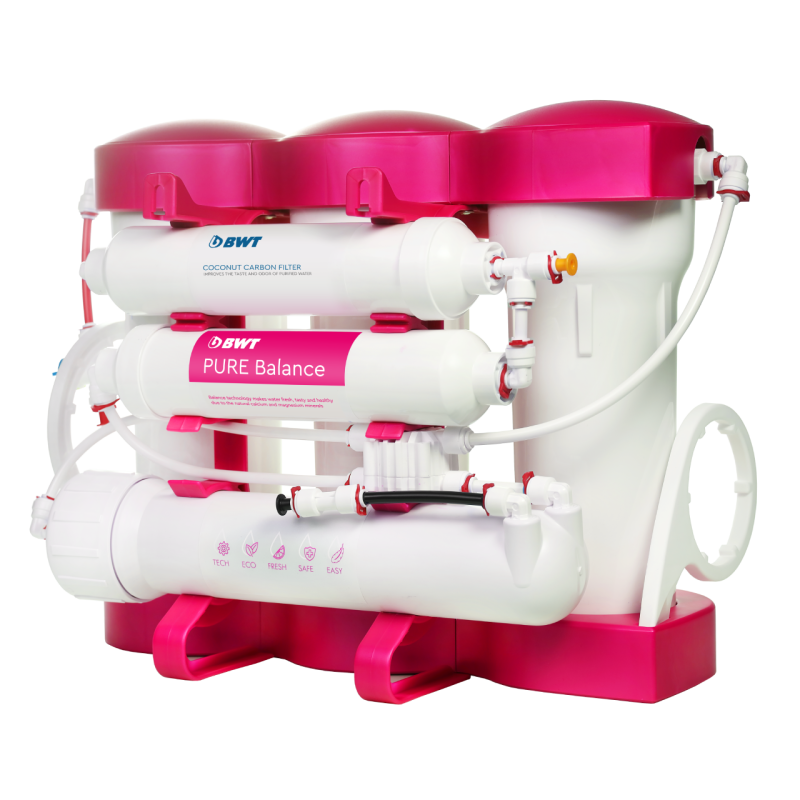
To address the mineral loss, many RO systems include a remineralization stage that restores essential minerals, improving both the taste and health benefits of the water. Additionally, RO water is not inherently harmful; most of the essential minerals people need come from food rather than water.
In regions like Cyprus, where tap water may contain high levels of hardness or impurities, reverse osmosis systems are a trusted solution for ensuring water safety. Regular maintenance of the system is crucial to ensure its effectiveness and prevent issues such as bacterial growth on old filters.
In summary, reverse osmosis water is not bad for you. With proper system maintenance and the addition of a remineralization stage, it can provide clean, safe, and great-tasting water for your home or business.
Upgrade Your Water Today!
Explore our store for top-quality reverse osmosis filters and water softeners. Clean, soft water is just a click away!
Related articles
How Does Hard Water Affect Skin and Hair?
Discover how hard water impacts your skin and hair, causing dryness and dullness. Learn how to protect yourself with water softeners and shower filters in Cyprus
What Are the Pros and Cons of Reverse Osmosis?
Explore the pros and cons of reverse osmosis systems, including water quality benefits and potential drawbacks. Find the best solution for your needs
What are the disadvantages of reverse osmosis?
Understand the disadvantages of reverse osmosis, including water waste, maintenance needs, and mineral removal. Learn if it's the right choice for you
What Are the Limitations of Reverse Osmosis?
Learn about the limitations of reverse osmosis, including water wastage, mineral removal, and maintenance. Make an informed choice for your water needs
Can Reverse Osmosis Remove Bacteria?
Learn how reverse osmosis removes bacteria through its advanced filtration process. Discover why it’s a trusted solution for clean water in Cyprus
Does Reverse Osmosis Remove Coliform Bacteria?
Find out how reverse osmosis removes coliform bacteria and ensures clean, safe drinking water. Learn why it’s essential for homes in Cyprus
Is Reverse Osmosis Water Filter Bad for You?
Learn the truth about reverse osmosis water. Understand its benefits, concerns about minerals, and why it’s safe and essential for Cyprus households
Does Reverse Osmosis Remove Heavy Metals from Water?
Discover how reverse osmosis removes heavy metals like lead and mercury from water, ensuring safe, clean drinking water for homes and businesses in Cyprus
What Are the Health Benefits of Reverse Osmosis Water?
Discover the health benefits of reverse osmosis water, including removal of harmful contaminants and better hydration. Perfect for clean water in Cyprus homes.
Why Does Reverse Osmosis Waste Water?
Learn why reverse osmosis systems waste water and how modern technology reduces waste. Discover efficient solutions for Cyprus homes and businesses
How Does RO Water Quality Compare to Tap Water?
Discover the differences between RO water and tap water, from purity to taste. Learn why reverse osmosis is ideal for clean water in Cyprus.
What Is a Water Softener and How Does It Work?
Learn how water softeners work to remove hardness, prevent limescale, and improve water quality in Cyprus. Discover the benefits for your home or business
Types of Water Softeners: Which One Is Right for You?
Explore different types of water softeners, from salt-based to magnetic systems. Find the best solution for hard water in Cyprus for your home or business
Are Water Softeners Safe to Use?
Learn why water softeners are safe for homes and businesses, how they improve water quality, and what to consider in Cyprus for safe use
Can a Water Softener Make You Sick?
Understand the safety of water softeners, including sodium levels and maintenance tips, to ensure healthy and safe water for your home in Cyprus
How Do Water Softeners Save You Money?
Learn how water softeners save money by reducing energy bills, extending appliance life, and lowering maintenance costs. Perfect for hard water in Cyprus
Are Water Softeners a Good Option for Apartments?
Discover how water softeners work for apartments with compact, portable options. Protect appliances and enjoy soft water, even in smaller spaces
Is It Possible to Install a Water Softener in an Apartment?
Learn how to install a water softener in an apartment with compact and portable options. Improve water quality even in small spaces
Advantages and Disadvantages of Water Softeners
Discover the benefits and drawbacks of water softeners. Learn how they improve water quality and tackle hard water issues in Cyprus homes
Do Electromagnetic Water Softeners Really Work?
Learn how electromagnetic water softeners work, their effectiveness, and whether they’re a good option for tackling water hardness in Cyprus
The Truth About Water Softeners: What You Need to Know
Discover the truth about water softeners, their benefits, and common myths. Learn why they’re essential for tackling hard water in Cyprus
Comprehensive Reviews of Popular Water Softeners
Explore reviews of popular water softeners, including features, pros, and cons. Find the perfect solution for hard water in Cyprus homes and businesses
Expert Recommendations for Choosing a Water Softener
Learn expert tips for choosing a water softener, from assessing water hardness to selecting the right system for your Cyprus home or business
How Water Softeners Help Save Your Appliances
Discover how water softeners extend appliance lifespan, improve energy efficiency, and save you money. Perfect for hard water areas like Cyprus
Is Salt from Water Softeners Bad for Your Health?
Learn if salt from water softeners is safe for your health. Discover tips for low-sodium alternatives and solutions for Cyprus homes
Are Water Softeners Harmful to Your Health?
Learn if water softeners are safe to drink, their health impact, and alternatives for low-sodium diets.
Can You Drink Tap Water in Cyprus? Safety, TDS & Guide (2026)
Is Cyprus tap water safe to drink? Discover chemical facts, TDS levels in Limassol, Paphos & Larnaca, roof tank bacteria risks, and home filter options.
Understanding Water Hardness in Cyprus
Learn about water hardness in Cyprus, its effects, and the best solutions like water softeners and reverse osmosis systems to improve water quality.
Is Hard Water Harmful to Plants?
Learn how hard water affects plants, from soil buildup to leaf residue. Discover solutions like water softeners and rainwater collection for healthy gardening in Cyprus
Benefits of Magnesium-Rich Water
Discover the health benefits of magnesium-rich water, from heart health to better sleep. Learn why it’s the perfect choice for Cyprus households.
How to Choose the Best Under-Sink Water Filter?
Find the perfect under-sink water filter for your home with our guide. Learn about filtration types, maintenance, and the best options for Cyprus water
Have a question?
