



© 2025 FilterCY
Submit an application
Fill the form and we will contact you as soon as possible
By clicking the Submit button, you agree to our Data Privacy
Find the right water filtration system in 1 minute.
Answer a few quick questions and get personalized recommendations for the best water filtration system for your home — with a discount: a drinking water filter, water softener, or whole-house filtration system.
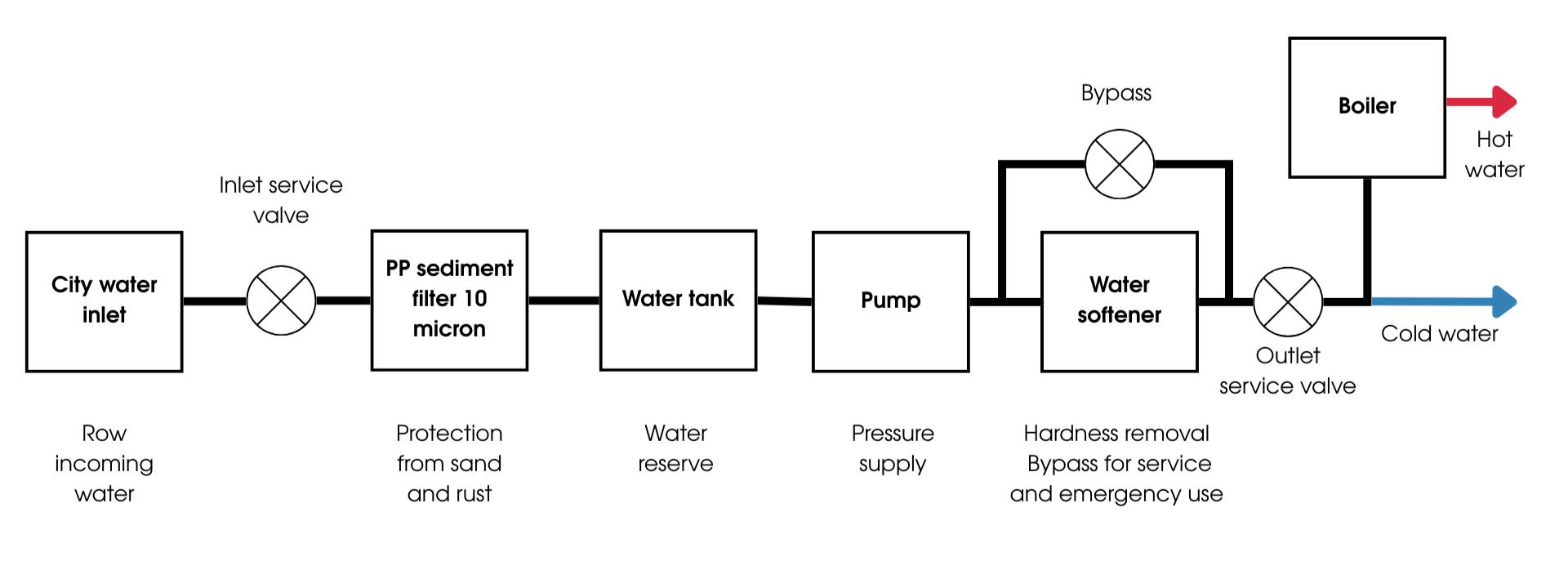
Installation scheme of a water softener after a storage tank with a bypass line and drainage
The installation scheme of a water softener after a storage tank is a water supply system configuration in which water from the municipal supply first passes through mechanical filtration, enters a storage tank, then is pumped through a water softener
and only after that is distributed throughout the house to hot and cold lines.
This scheme is used in houses where water is first stored in a tank
and then supplied under pressure to the water system. The softener removes hardness salts (calcium and magnesium), protecting the boiler, plumbing, and household appliances from limescale.
and only after that is distributed throughout the house to hot and cold lines.
This scheme is used in houses where water is first stored in a tank
and then supplied under pressure to the water system. The softener removes hardness salts (calcium and magnesium), protecting the boiler, plumbing, and household appliances from limescale.
Typical installation scheme of a water softener after a storage tank
Author: Filter.cy Engineers
Expertise: water treatment and water filtration systems
Updated: March 2026
Expertise: water treatment and water filtration systems
Updated: March 2026
This scheme is used in systems where municipal water first enters a storage tank and is then supplied to the house using a pump.
Incoming water passes through an inlet service valve and a PP mechanical filter with a 5 or 10 micron cartridge. This helps protect the storage tank, pump, softener control valve, and the downstream water supply system from sand, rust, and suspended particles.
After that, the water enters a storage tank, where a water reserve is created. The pump then supplies the water under pressure to the section of the system with the softener.
The softener unit includes:
After treatment, the water flow is split into two lines:
Incoming water passes through an inlet service valve and a PP mechanical filter with a 5 or 10 micron cartridge. This helps protect the storage tank, pump, softener control valve, and the downstream water supply system from sand, rust, and suspended particles.
After that, the water enters a storage tank, where a water reserve is created. The pump then supplies the water under pressure to the section of the system with the softener.
The softener unit includes:
- an inlet service valve
- an outlet service valve
- a bypass line around the softener
- a drain line for discharging water during regeneration
After treatment, the water flow is split into two lines:
- one line is supplied to the boiler, where the water is heated and then enters the domestic hot water system
- the second line supplies softened cold water directly to the house water system
Water flow logic
City water inlet
↓
Inlet service valve
↓
PP sediment filter 5 or 10 micron
↓
Storage tank
↓
Pump
↓
Softener inlet valve
↓
Water softener
↓
Softener outlet valve
↓
Split flow
├─ Boiler → Hot water to house
└─ Cold water to house
Additional lines:
Bypass valve and bypass line around softener
Drain line from softener to drain
↓
Inlet service valve
↓
PP sediment filter 5 or 10 micron
↓
Storage tank
↓
Pump
↓
Softener inlet valve
↓
Water softener
↓
Softener outlet valve
↓
Split flow
├─ Boiler → Hot water to house
└─ Cold water to house
Additional lines:
Bypass valve and bypass line around softener
Drain line from softener to drain
Step-by-step algorithm
- Municipal water enters the system through the main inlet line.
- The inlet service valve allows shutting off the water supply from the main line for system maintenance.
- The PP mechanical filter removes sand, rust, and larger suspended particles.
- The filtered water enters the storage tank, where a reserve of water is created.
- The pump draws water from the storage tank and supplies it further through the system under pressure.
- The water then enters the softener unit, where the inlet and outlet service valves allow the equipment to be isolated if necessary.
- In normal operation, water passes through the softener, where hardness salts are removed.
- The bypass line can be used to supply water bypassing the softener during maintenance or in case of an emergency.
- The softener drain line discharges water to the sewer during regeneration.
- After the softener, the treated water is split into two flows.
- The first flow enters the boiler and is then supplied to the house as hot water.
- The second flow is supplied directly to the house as softened cold water.
Unlock the Benefits of Soft Water
Experience the incredible feeling of silky-soft water on your skin
Learn more Components and their functions
FAQ
Yes, installing a mechanical filter before the tank is recommended. A PP filter of 5 or 10 microns retains sand, rust, and other suspended particles from municipal water. This protects the storage tank, pump, softener valve, and the entire house water system from contamination and premature wear.
Yes, it can. In this case, it is recommended to install a pressure regulator before the softener to protect it.
The bypass line allows water to be temporarily supplied to the house bypassing the softener. This is necessary during equipment maintenance, resin replacement, or system repair. Thanks to the bypass, water supply to the house is not interrupted even when the softener is turned off.
In systems with a tank, water is first stored and then supplied to the house by a pump. Therefore, the softener is installed after the tank — where water is already supplied under stable pressure. This ensures proper operation of the softener control valve and a stable flow of water through the system.
During regeneration, the softener flushes and restores the ion exchange resin. In the process, a saline solution with removed hardness salts is formed. The drain line removes this water to the sewer, ensuring normal system operation.
Yes. After the softener, the water flow is usually split into two lines: one is supplied to the boiler for hot water production, and the other goes directly to the house cold water system. As a result, both hot and cold water become softened, which helps prevent limescale formation in the boiler, pipes, and household appliances.
Similar connection schemes
Optimal Water Filtration and Softening System for Houses and Apartments in Cyprus
Installation Layout of a Water Softener, Ultrafiltration System, and Reverse Osmosis System
Water Treatment Scheme from Two Sources: Well and Municipal Water in Cyprus
Installation Scheme of a Water Softener, Ultrafiltration System, and UV Lamp for the Treatment, Softening, and Disinfection of Water from a Well and Municipal Supply
Installation scheme of a water softener after a storage tank with a drinking water filter
Installation scheme of a water softener after a storage tank with a parallel line for a drinking water filter. Detailed description, system components, and operating principle.
Water softener installation diagram with reverse osmosis filter
Water softener installation diagram after the storage tank and reverse osmosis filter. Detailed description, system components, and operating principle.
Have a questions? Message us!
Recommended components for this configuration
BWT Water Softener 30L CLACK WS1CI
SKU: 700.954.29
€
1200
€
1350
The BWT 30L Water Softener, equipped with the state-of-the-art Clack WS1CI valve, is the best water softener system for tackling hard water issues common in Cyprus. This system effectively reduces limescale buildup, protecting your appliances and improving the efficiency of heating systems. With a 30-liter resin capacity, it delivers a service flow rate of up to 1,000 liters per hour, ensuring a steady supply of softened water for medium-sized households. The Clack WS1CI valve offers precise control over regeneration cycles, optimizing salt and water usage for cost-effective and sustainable operation. Its compact design allows for easy installation in any home. Upgrade to the BWT 30L Water Softener and enjoy the ultimate solution for combating hard water in Cyprus while enhancing your home’s comfort and efficiency.
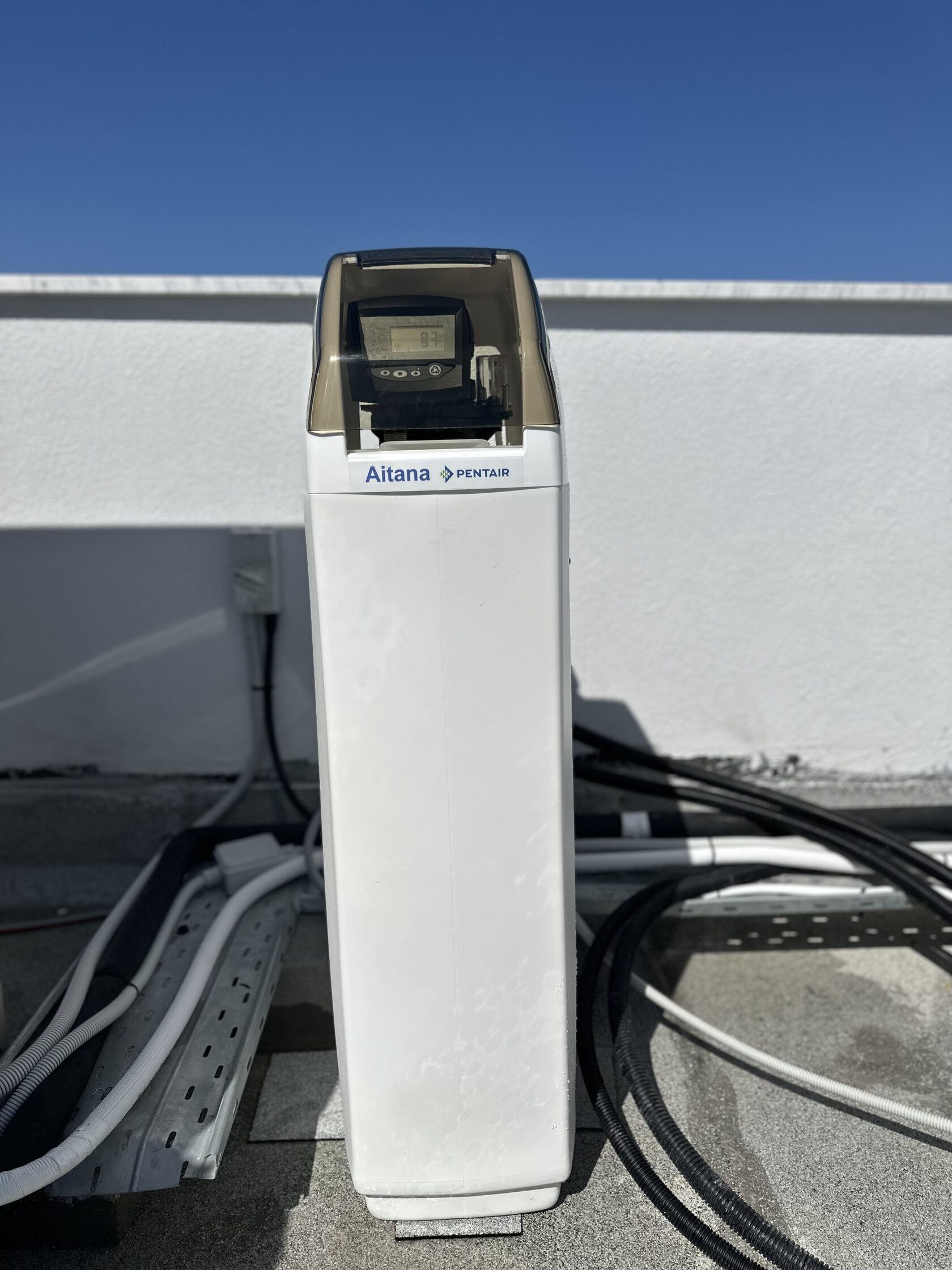
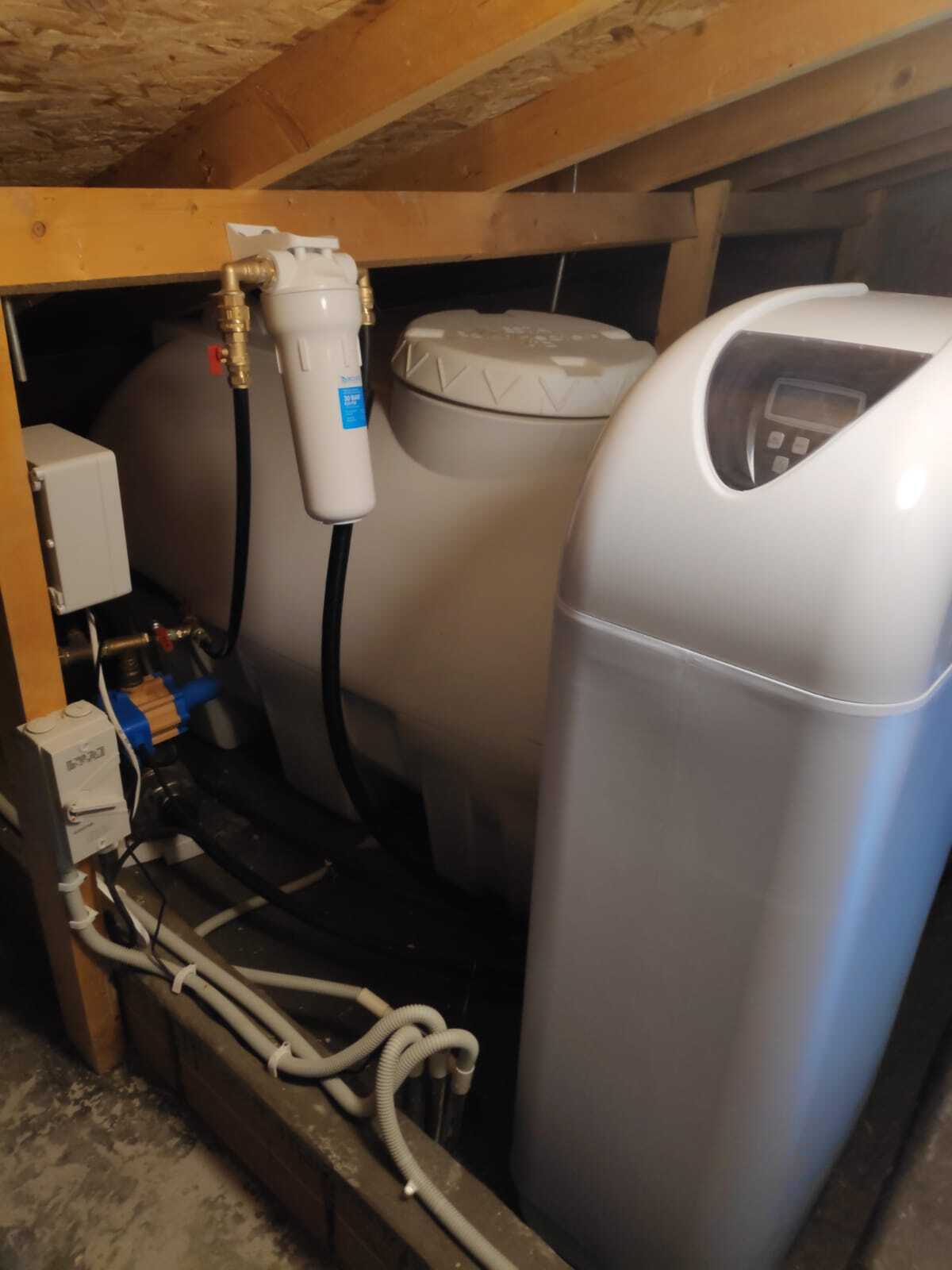
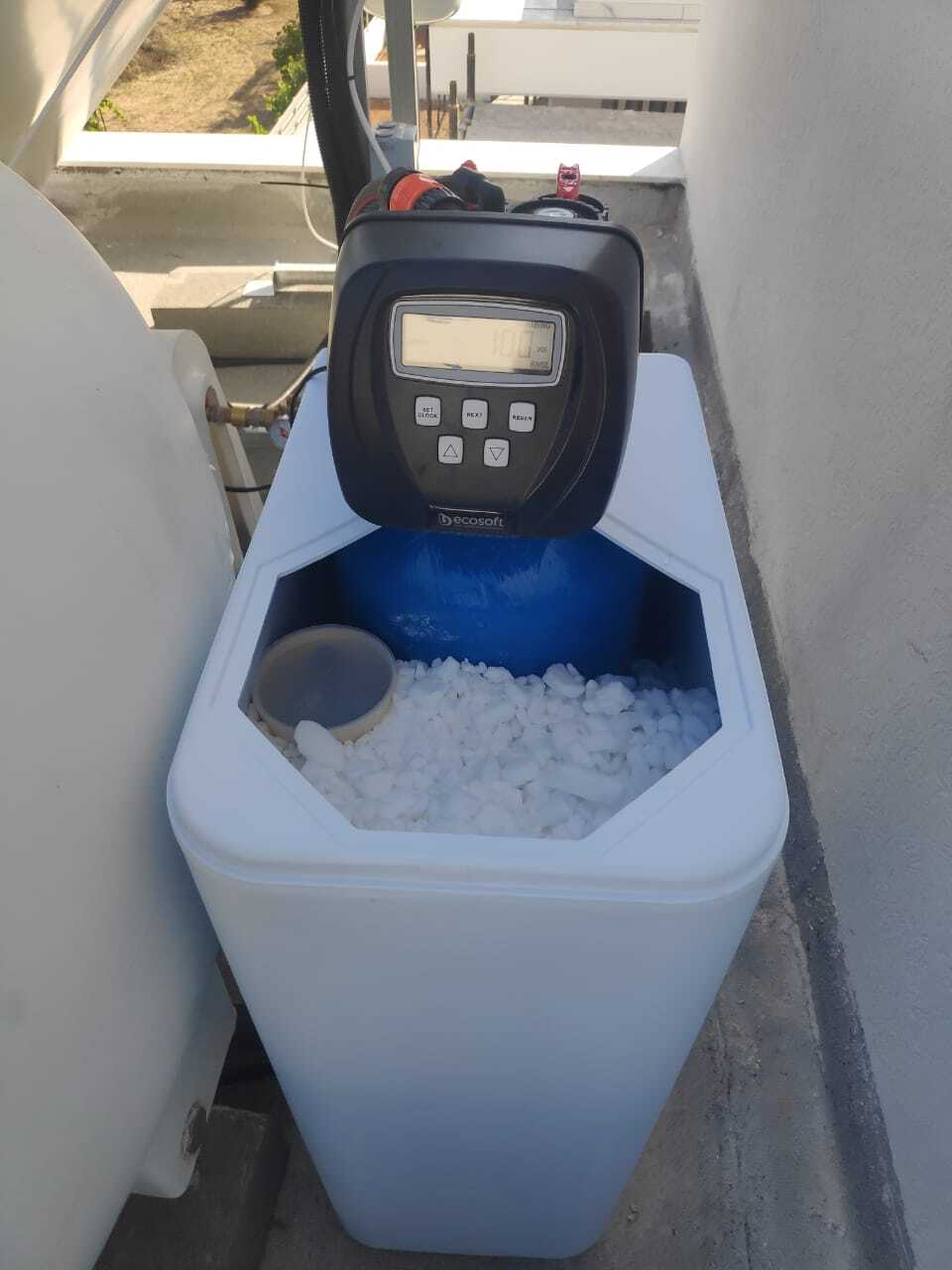
Examples of completed projects
Useful links
Quality of Tap Water in Cyprus
Learn how the quality of tap water in Limassol affects health and household appliances. A detailed analysis of key indicators and tips for improving water quality
How to Test Water Hardness at Home: Easy Methods
Learn how to test water hardness at home using strips, soap, and observation. Simple ways to check water quality and find solutions for hard water.
How Hard Water Affects Hair: Causes and Solutions
Discover how hard water weakens hair, causing dryness and breakage. Learn simple ways to protect your hair with water-softening solutions
Discover the Benefits of a Water Softener for Your Home
Say goodbye to hard water! Learn how a water softener improves skin, hair, appliances, and more. Enjoy silky-soft water every day with ease
Water Softeners: Myths and Reality – Debunking Common Misconceptions
Debunking myths about water softeners and uncovering their true benefits and drawbacks.
Ready to start?
Fill the form and we will contact you
